Washington, D.C.
Where the capital's red, white, and blue roars through every at-bat.

Frank Schulenburg · CC BY-SA 4.0
Washington, D.C. is the capital city of the United States and the home of the Washington Nationals, Major League Baseball's National League East franchise. Since the Montreal Expos relocated to the District in 2005, the Nationals have built a passionate identity rooted in the city's red, white, and blue heritage, its civic pride, and the tight-knit community of the Navy Yard neighborhood where their ballpark sits. Nationals Park, which opened in 2008, replaced the team's temporary home at RFK Stadium and became the physical and emotional center of D.C. baseball. The stadium's intimate scale, its bold red-and-white architecture, and the electric atmosphere of its fan base have made it one of the most distinctive venues in the sport. For supporters, the Nationals are not merely a team but a civic symbol—a baseball club that carries the weight of the capital city itself.
- Ballpark
- Nationals Park (Navy Yard neighborhood, Washington, D.C.)
- Ballpark opened
- 2008
- Franchise origin
- Montreal Expos, relocated to D.C. in 2005
- League / Division
- National League East
- First World Series title
- 2019
- Team colors
- Red, White, and Blue
Verified Timeline
Lore & Background
Before 2005, the Expos had called Montreal home for nearly four decades (1969–2004), but the franchise's migration to the District of Columbia marked a new chapter. The Nationals inherited a roster and a fan base that was still learning to trust a new city, and the early seasons at RFK Stadium felt provisional, a waiting room for something better. The arrival of Nationals Park in 2008 changed that. The ballpark's exposed brick, its low seating bowls, and its unmistakable red-and-white color scheme gave D.C. baseball a face that finally matched the city's civic grandeur. Fans who had once traveled to Montreal or sat in the vast, echoing expanse of RFK now found themselves close enough to hear the crack of the bat and the murmur of the crowd behind the plate. The culture that grew around the team was inseparable from the city itself. The Nationals' red, white, and blue palette mirrored the flag that flies over the U.S. Capitol a few miles away, and the team's very name—Nationals—spoke to a broader identity than any single franchise. Game days became civic rituals: families in matching team gear, the thunderous 'D.C.' chant that rattled the outfield bleachers, and the sight of office workers still in suit jackets spilling out of the Navy Yard Metro stop. The Navy Yard neighborhood, once an industrial waterfront of abandoned warehouses and silent piers, transformed into a baseball destination where the smell of hot dogs and the sight of thousands of red caps created a scene that felt less like a sporting event and more like a neighborhood festival. The 2019 World Series victory over the Houston Astros capped a decade of near-misses and playoff heartbreaks, and the celebration in the streets of D.C. was unlike anything the city had seen. For a franchise that had been doubted, mocked, and written off as a perennial also-ran, that championship validated every season of patience, every sold-out September night, every fan who had kept showing up. The Nationals had become, in the truest sense, a team of the nation's capital.
In Their Own Story
The October night air over the Navy Yard carried the sharp bite of a D.C. autumn, but nobody in the lower bowl felt the chill. The red seats stretched out in tiers like the rows of a grandstand at a state fair, and the noise was a living thing—a wall of sound that pressed against your eardrums and made the words of the broadcast on the jumbotron almost irrelevant. A runner rounded second, the crowd surged forward as one body, and the 'D.C. D.C.' chant hit like a wave breaking over the brick facade. Somewhere in the upper deck, a kid in a too-big jersey was on his father's shoulders, screaming. The pitcher's windup, the crack, the roar that followed—none of it mattered as much as the feeling in your chest, that deep, civic pride that said this city, this team, this moment belonged to everyone who had ever worn that red cap through a losing season and kept showing up anyway.
Reader's Guide
Nationals Park is more than a ballpark; it is the beating heart of D.C. baseball culture, and understanding its traditions is key to appreciating what makes the Nationals experience unique. Capitol. Its exposed-brick exterior and bold red-and-white color scheme were designed to echo the city's architectural heritage, and the low, intimate seating bowls put fans closer to the action than in most modern venues. On game days, the surrounding streets fill with fans in red caps, the smell of grilled cheese and hot dogs drifting from the concession stands, and the sound of the 'D.C. D.C.' chant carrying blocks away. In a city defined by national significance, the anthem carries a weight it does not elsewhere, and the crowd sings with a full-throated unity that feels almost sacred. The team's colors—red, white, and blue—are not just a branding choice; they are a statement of civic identity, tying the franchise to the capital it calls home. For supporters, showing up to a Nationals game is an act of community. Whether it is a sold-out September night or a quiet Tuesday afternoon in June, the ritual of gathering in that red-brick bowl, raising a glass, and roaring with thousands of neighbors is what makes the D.C. baseball experience something you feel in your bones.
Did You Know?
- The Nationals' franchise began as the Montreal Expos, who played in the Canadian city for 36 seasons (1969–2004) before relocating to Washington, D.C. in 2005.
- Nationals Park
Gallery
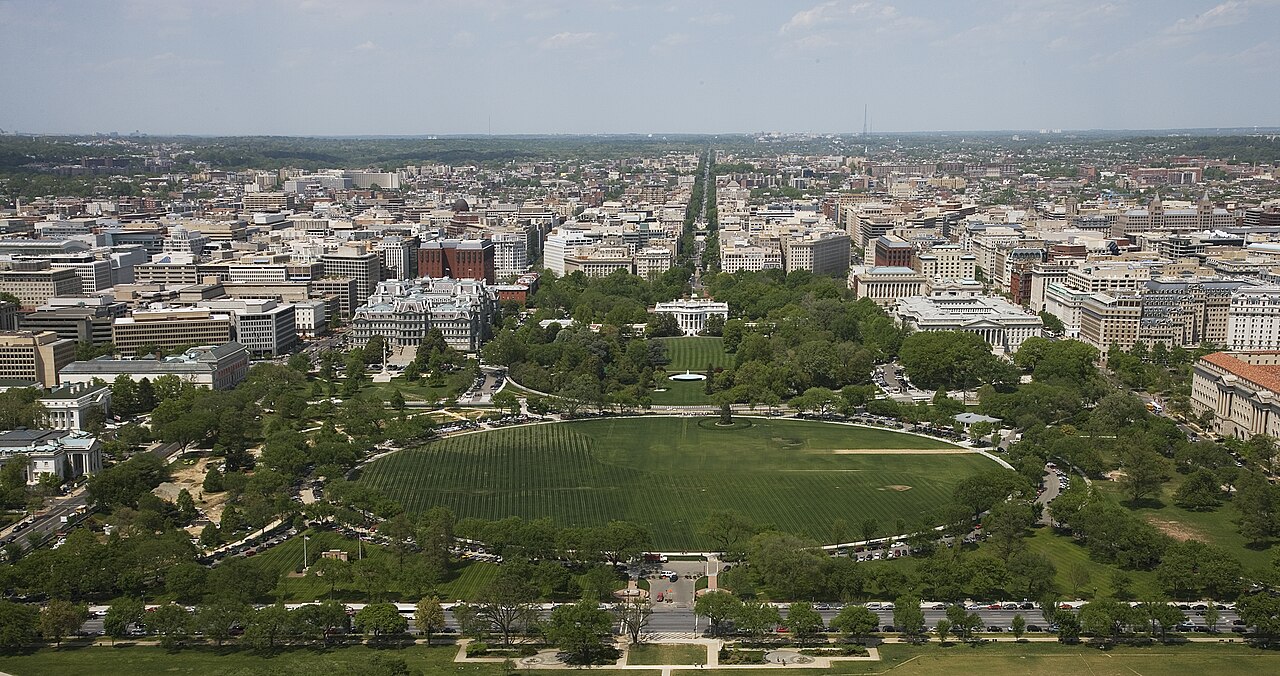
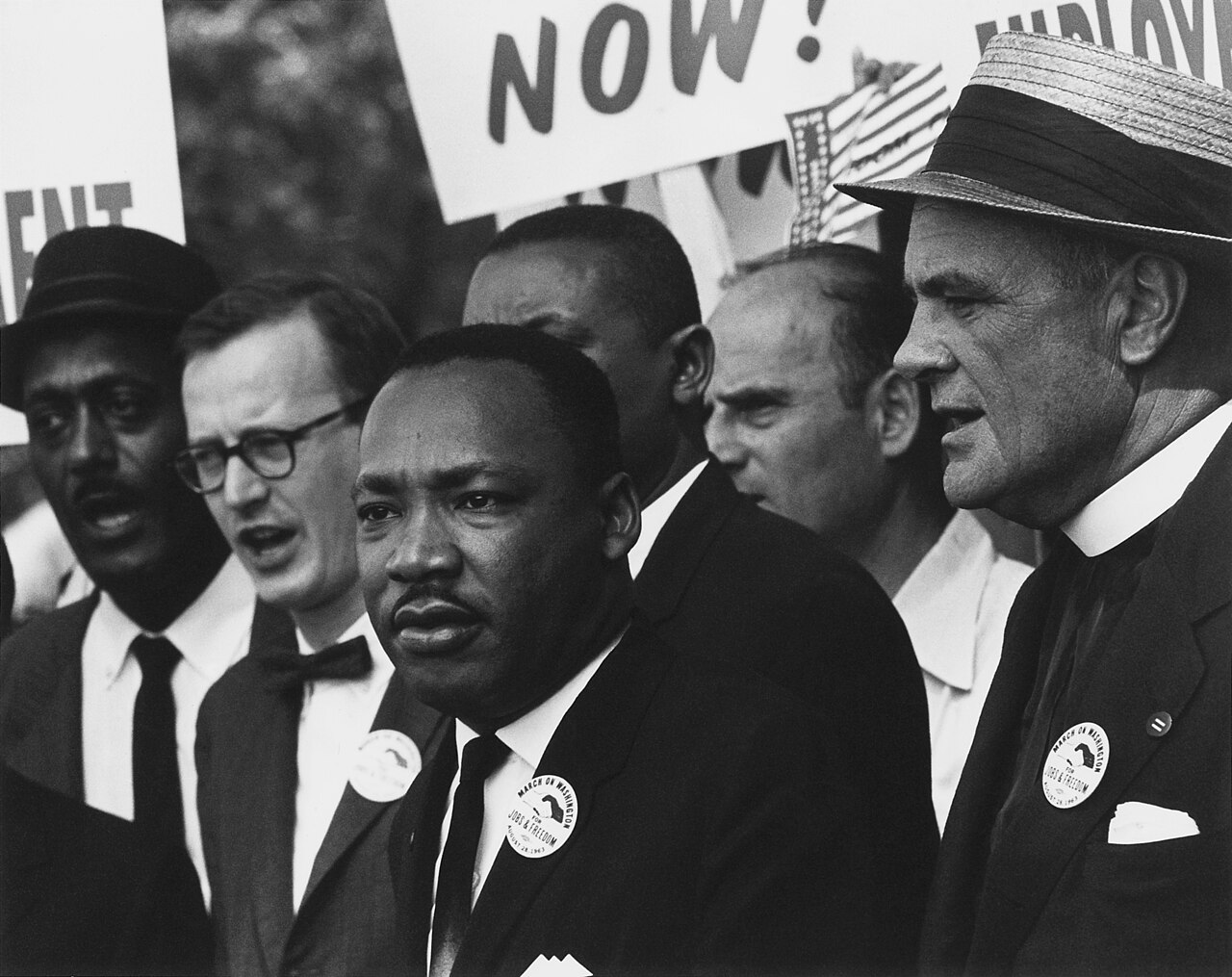
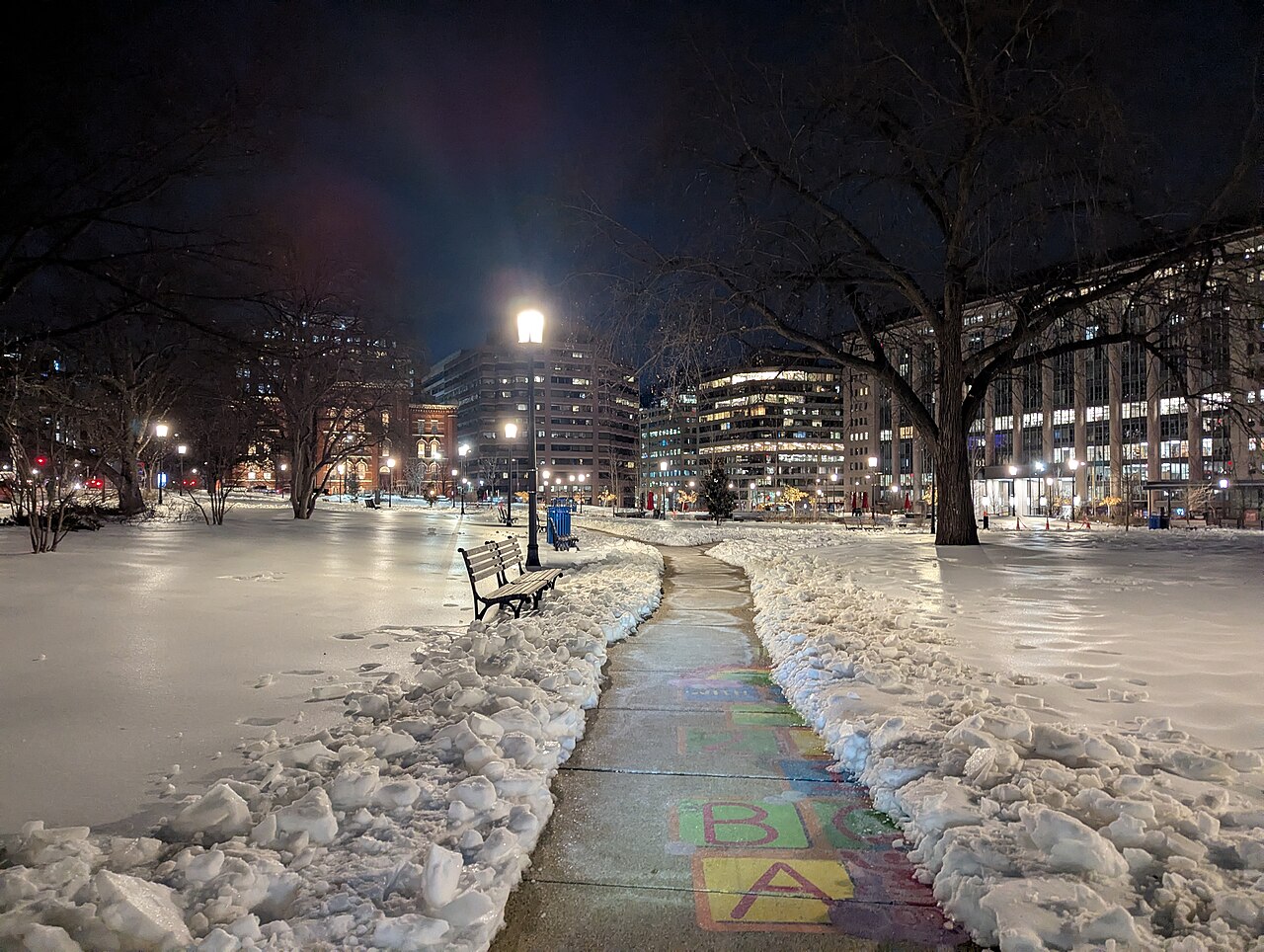
More in Stadium & Culture
Elsewhere in the Washington Nationals universe
Spotted an error? Know more?
This is a living reference — every entry is fact-audited, and reader corrections feed straight into our audit queue. Suggest an edit · See this site's audit record