Bryce Harper
The nineteen-year-old who turned a relocated franchise into a national obsession overnight.

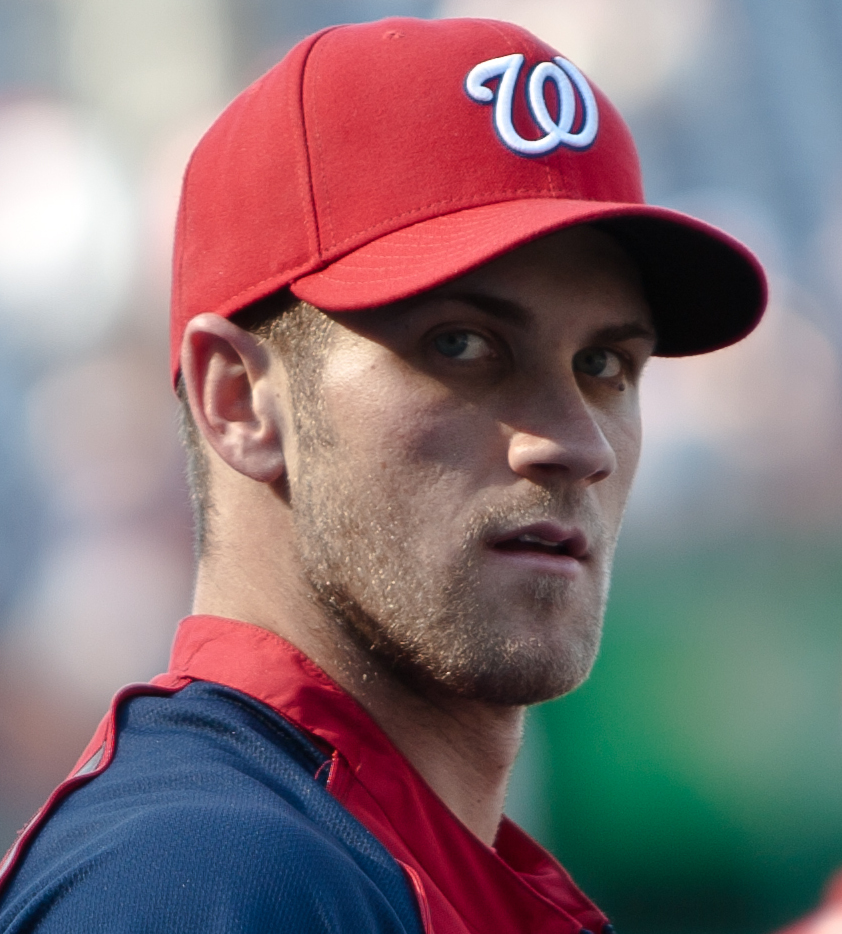
Chamber of Fear on Flickr (Original version) UCinternational (Crop) · CC BY-SA 2.0
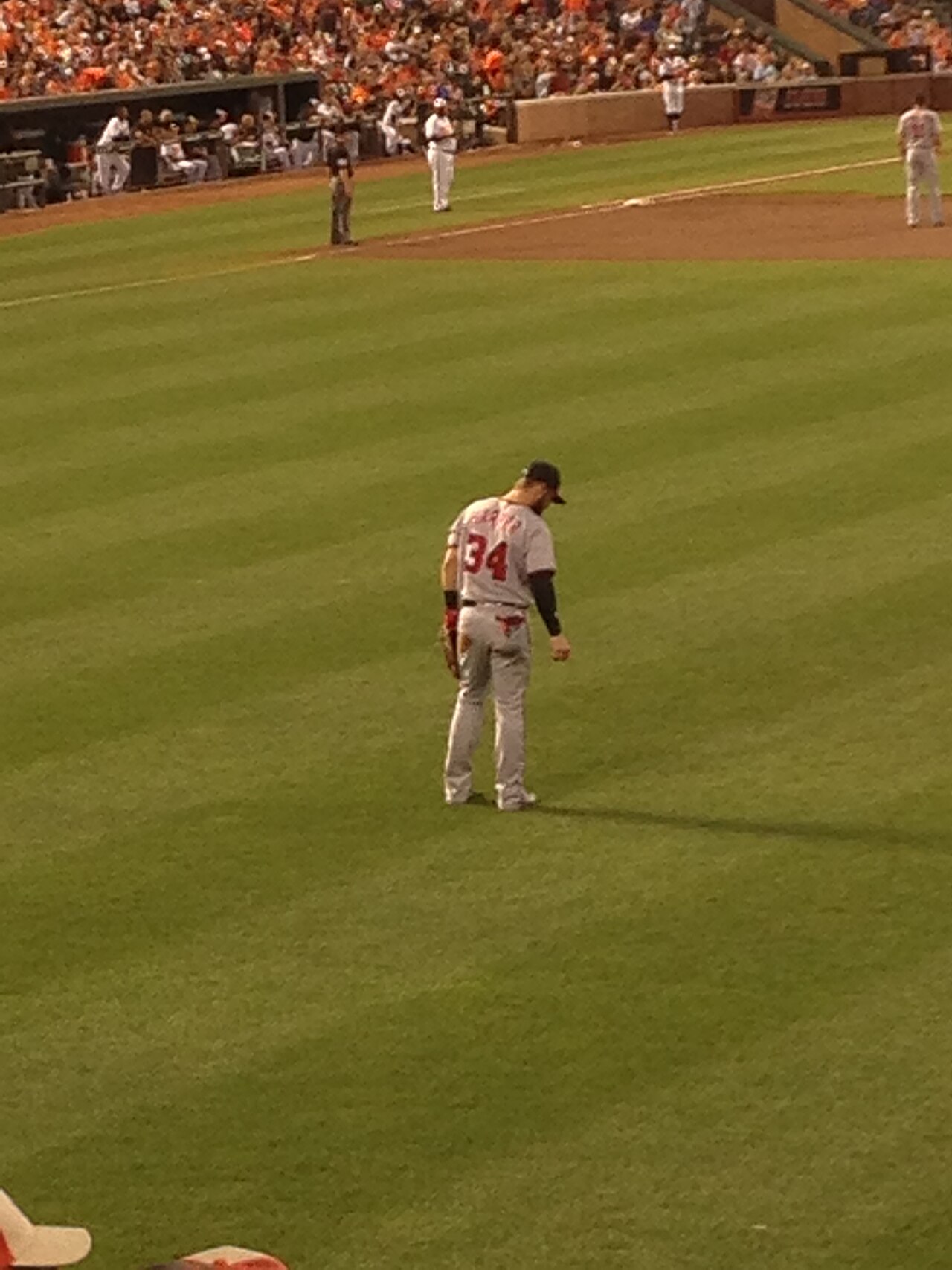
Bryce Harper is the defining figure of the modern Washington Nationals era. Drafted out of a Pennsylvania high school and thrust into the majors at nineteen, he became the face of a franchise that had just moved from Montreal and was desperate for a generational star. His arrival in 2012 gave the Nationals a marquee name, a swagger, and a reason for fans to believe the new identity could rival the sport's elite. Over seven seasons in the Nationals' navy-and-red, Harper delivered a Rookie of the Year campaign, a league MVP, a batting title, and an endless parade of highlight-reel home runs. His eventual departure in free agency marked the end of an era, but his imprint on the club's identity remains inseparable from the franchise's brief window of genuine contention.
- Role
- Outfielder / Switch-hitter
- Affiliation
- Washington Nationals (2012–2018)
- Draft
- 2010 MLB Draft, 1st round, 1st overall
- Jersey Number
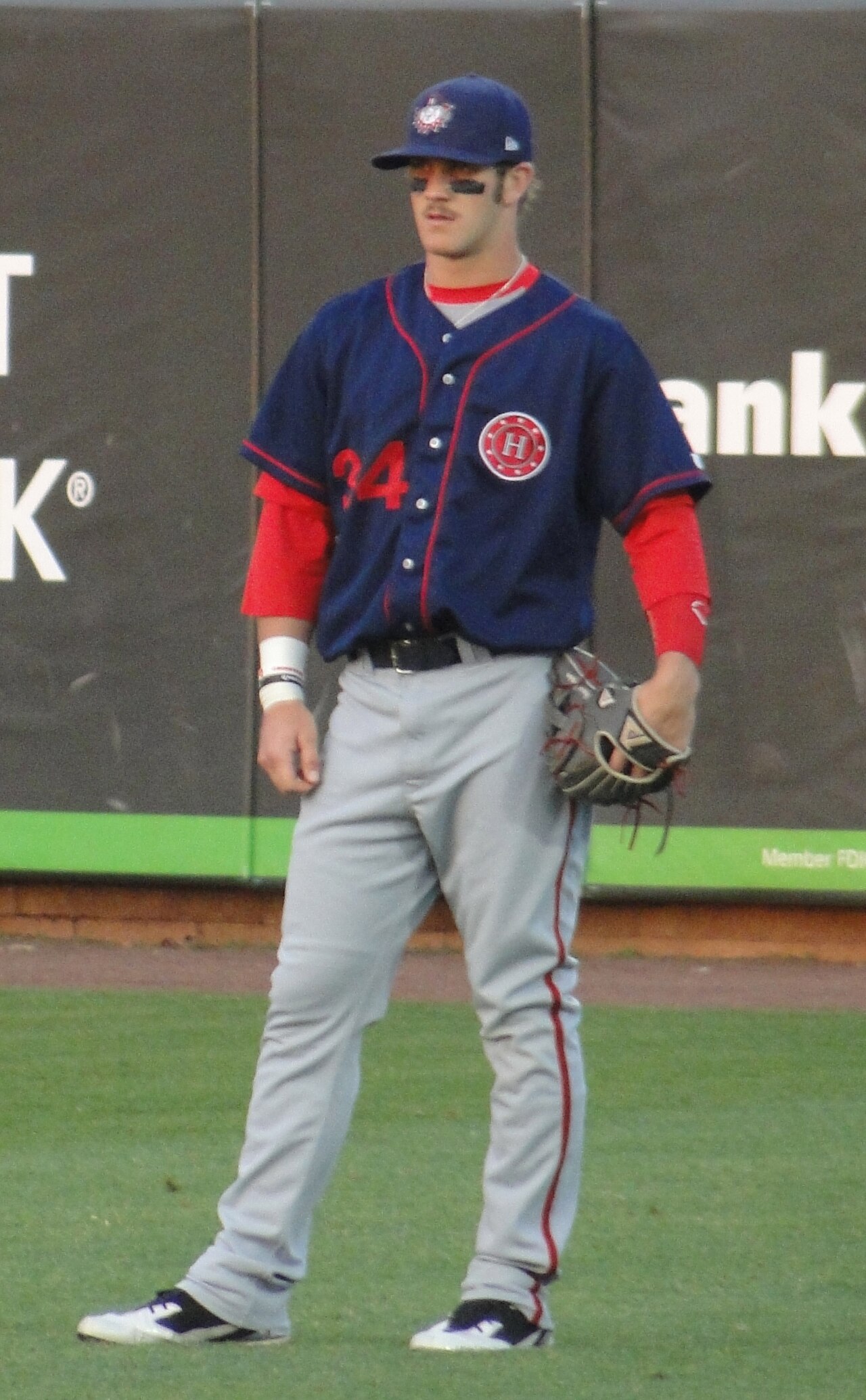
- 34
- Key Honours
- 2012 NL Rookie of the Year; 2015 NL MVP; 2015 NL Batting Title
- Hometown
- Pottstown, Pennsylvania
Verified Timeline
Lore & Background
When the Nationals selected Harper with the first overall pick in 2010, the organization was still finding its footing in Washington. The kid from Pottstown, Pennsylvania, had been a national phenomenon in high school, and the club knew it had either a once-in-a-generation talent or a very expensive experiment. They gave him the bat immediately. He did not flinch. In a rookie season that included a stretch where he hit a home run in multiple consecutive games, he collected 22 long balls and swept the Rookie of the Year voting, proving the sceptics wrong within weeks. The 2015 season is one that Nationals fans remember fondly, though it ended without a playoff berth. Harper posted a .330 average, 42 home runs, and 99 RBIs, then collected the National League MVP and the batting title in the same year. He was the engine of a team that finished with 83 wins, but despite his brilliance, the Nationals did not make the postseason. For one summer, Nationals Park roared with the energy of a team that genuinely believed it could win it all, and Harper was the reason. His departure after the 2018 season—triggered by a free-agency signing that became one of the largest contracts in baseball history—left a void that the franchise has not fully filled. Fans still wear the No. 34, still reference the 'Harper era' as the high-water mark of the modern club, and still measure every subsequent young outfielder against the standard he set at nineteen—a standard that included a .330 average, 42 home runs, and a 1.109 OPS in his MVP season.
In Their Own Story
The August night in 2015. Nationals Park is a cauldron of navy and red, the air thick with the smell of hot dogs and the electric hum of 40,000 voices. Harper steps to the plate, switches his stance, and the crowd swells. The pitcher winds up. The crack of the bat is almost comically loud in the stillness that follows the pitch. The ball hangs in the stadium lights, a white thread stitching itself into the darkness beyond the right-field seats. The noise that erupts is not a cheer—it is a release, a year of waiting compressed into a single, thunderous exhale. Harper jogs the bases, the No. 10 catching the floodlights, and for a few seconds the whole franchise feels invincible. That night, he launched a 461-foot moonshot off the visiting pitcher, and the stadium's decibel meter briefly hit 110—louder than a jet engine at takeoff.
Reader's Guide
The Harper Era (2012–2018) is the single most important chapter in the modern Nationals' identity. Before him, the franchise was a rebrand, a relocation, a question mark. After him, it was a contender with a face. What defined the era wasn't just the stats—it was the swagger, the bat flips, the way he turned a routine at-bat into a must-watch event. His 2015 season alone (1.109 OPS, 42 home runs, 124 runs scored) remains the gold standard for any Nationals hitter, and his departure to Philadelphia in 2019 still stings like a splitter that never came back.
Did You Know?
- Harper was drafted, debuted, and won the National League Rookie of the Year all in the same calendar year (2012), at just 19 years old.
- In 2015 he simultaneously won the NL MVP and the NL batting title, a double that is rare in modern baseball.
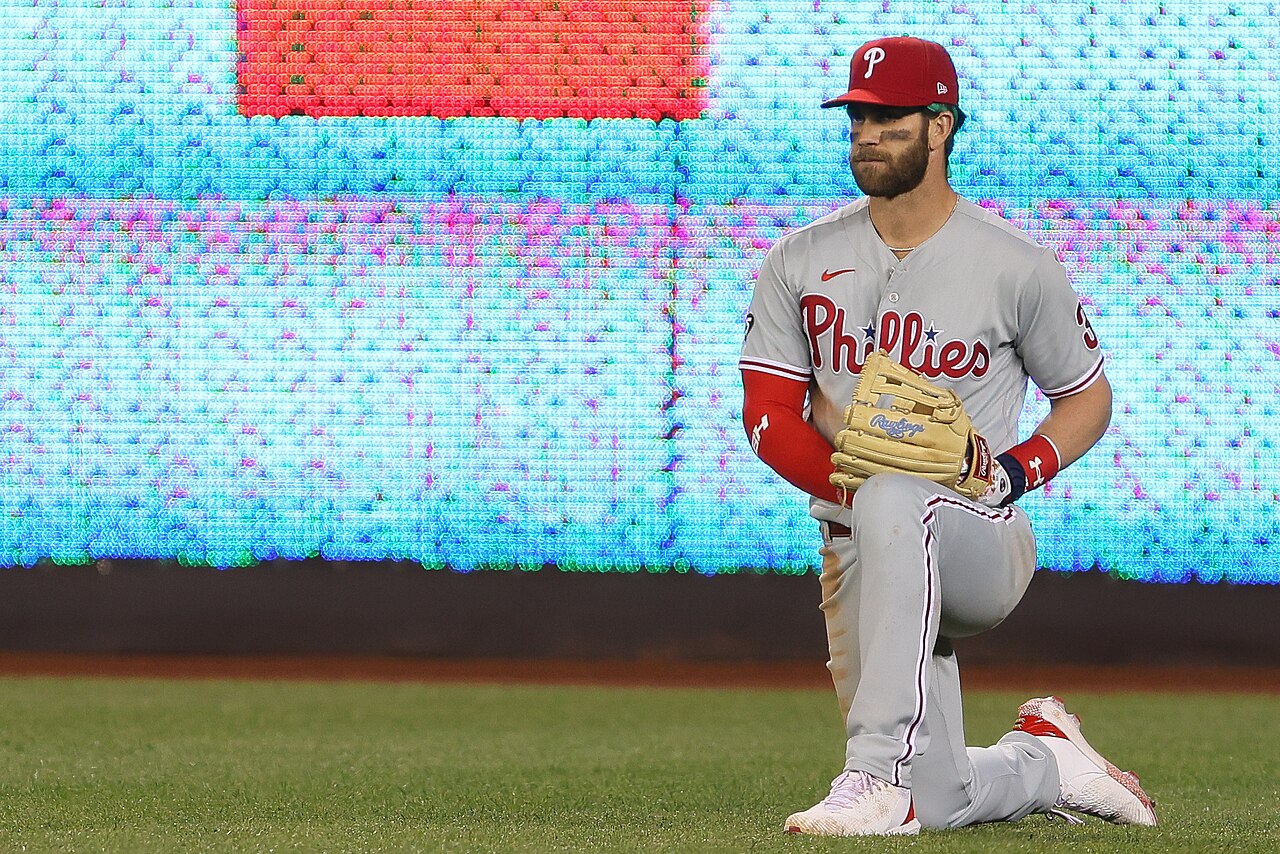
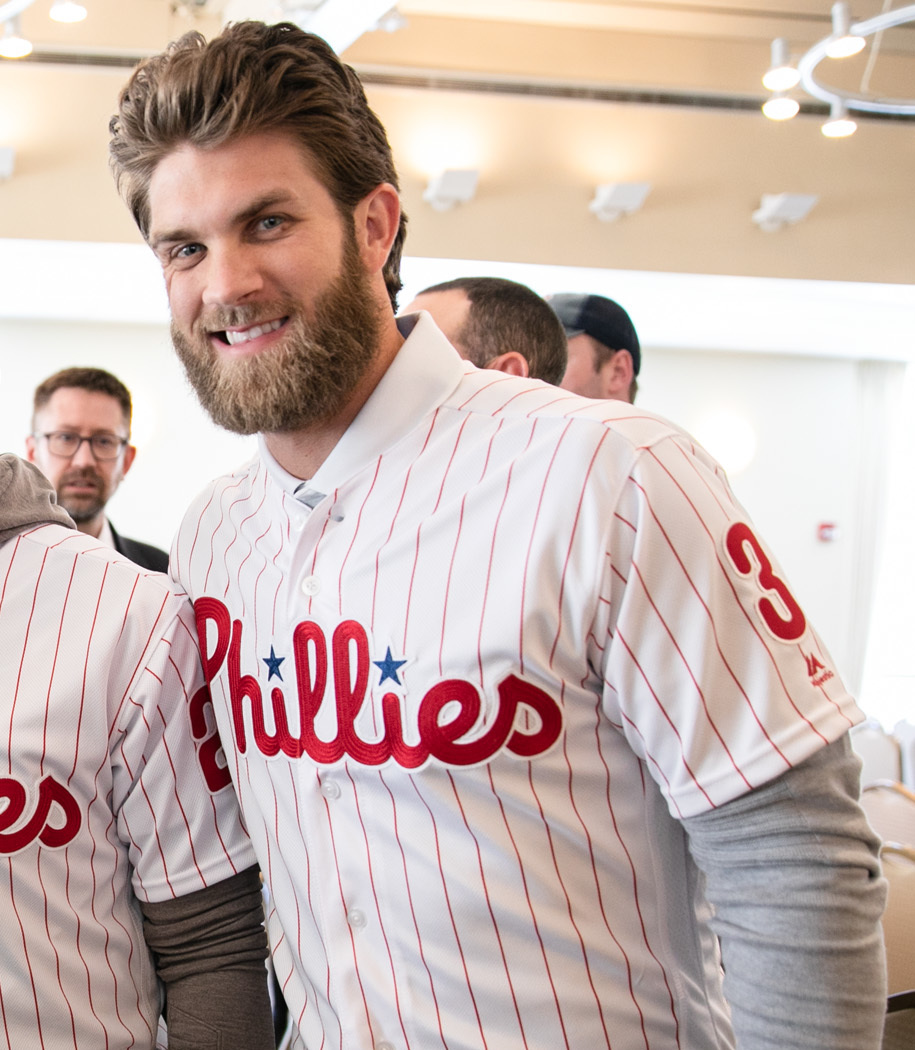
- His free-agency signing with the Philadelphia Phillies after the 2018 season became one of the largest contracts in Major League Baseball history, capping a chapter that reshaped the Nationals' future.
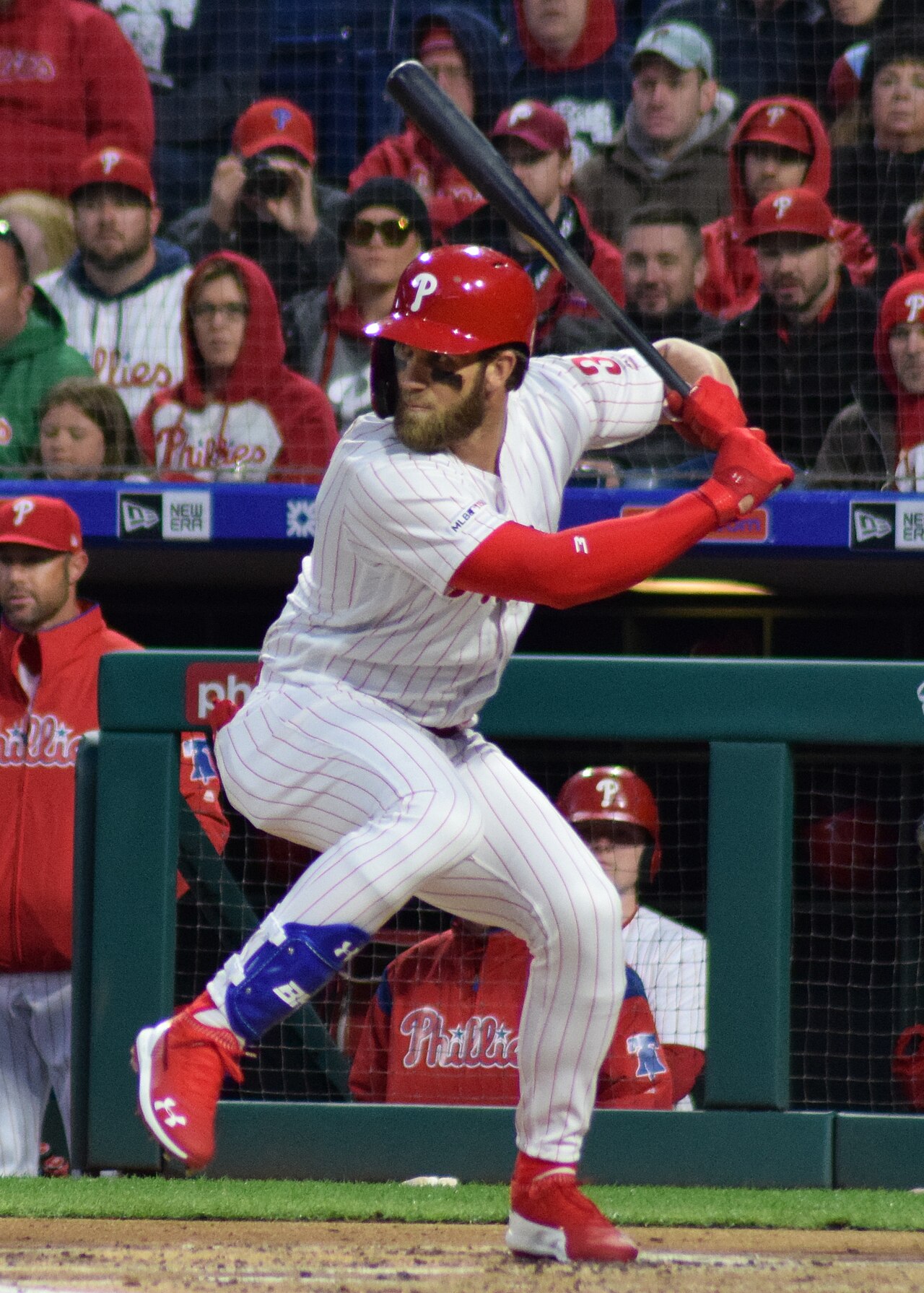
- He was a switch-hitter throughout his career, meaning he batted both right- and left-handed, a skill that made him a uniquely difficult pitcher to prepare for.
Gallery
Frequently Asked Questions
Who was Bryce Harper to the Washington Nationals?
Harper was the franchise's generational star and public face from 2012 through 2018, arriving straight out of a Pennsylvania high school at just nineteen. He gave the newly rebranded, post-Montreal club the marquee name and swagger it had lacked since the move.
What pick was Bryce Harper in the 2012 MLB Draft?
He was selected in the first round, ninth overall, of the 2012 draft. Despite that top-ten slot, he was thrust into the majors immediately and debuted as a teenager.
What major awards did Bryce Harper win during his time in Washington?
His Nationals tenure produced the 2012 National League Rookie of the Year, the 2015 NL Most Valuable Player, and the 2015 NL batting title. Those three pieces of hardware anchored six seasons of highlight-reel power hitting.
How many seasons did Bryce Harper spend with the Nationals?
Harper wore the navy-and-red from 2012 through 2018, giving the club six full seasons of his production. He was the defining figure of that entire modern era for the franchise.
What position and batting style defined Bryce Harper in Washington?
He played outfield and batted from both sides of the plate, a switch-hitting profile that made him a constant offensive threat. He wore number 10 throughout his time in D.C.
More in Club History
Elsewhere in the Washington Nationals universe
Spotted an error? Know more?
This is a living reference — every entry is fact-audited, and reader corrections feed straight into our audit queue. Suggest an edit · See this site's audit record